
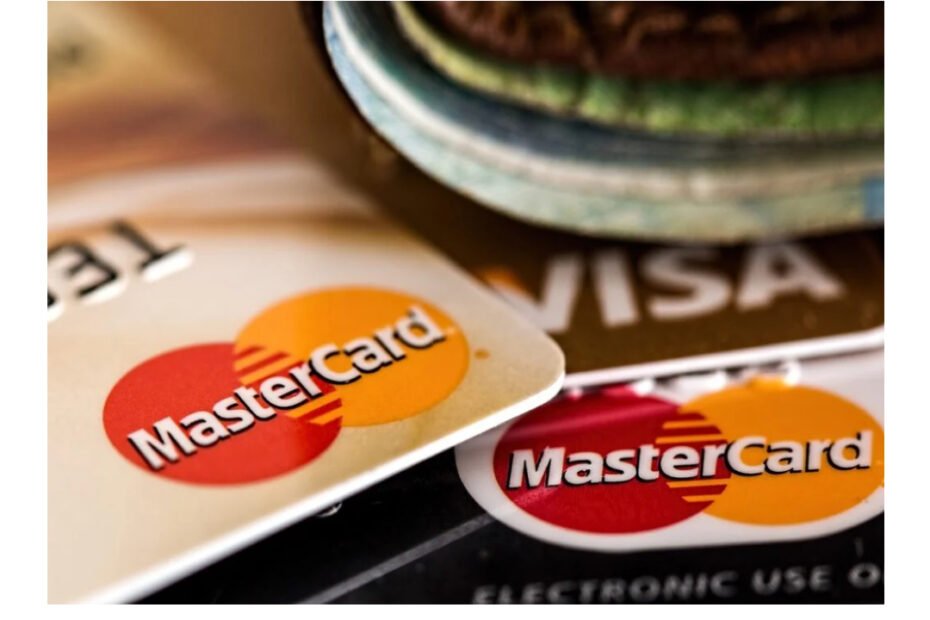
Let’s be honest: who has never been tempted to split that dream purchase into “10 interest-free installments,” even knowing that the budget was already stretched? The credit card, that little rectangular piece that fits in your pocket, can be both your best friend and your worst nightmare. It is practical, accessible, and in many cases, even rewarding. But it can also turn into a silent, sneaky trap that undermines financial control in an almost imperceptible way.
The truth is that the credit card carries a dubious reputation. On one hand, it is synonymous with freedom, convenience, and purchasing power. On the other hand, it represents debts, high interest rates, and desperation at the end of the month. The line that separates these two worlds is extremely thin, almost invisible.
And, as with so many other tools of modern life, it all depends on how we use it. It’s like a knife: it can be used to prepare a delicious dinner or cause an accident. The problem, usually, is not the knife. It’s the way we handle it.
Therefore, the question that really matters is not “is the credit card good or bad?” But rather: how do you relate to it? If you see the card as an extension of your income, you are likely walking on dangerous ground. Now, if you treat it as a strategic payment method, with awareness and responsibility, then it can be a true ally for your finances and with many benefits, I might add.
What is, in fact, a credit card?
It may seem basic, but understanding how a credit card works is essential to using it wisely. Many people believe that the credit card limit is money they have. Spoiler: it’s not. The limit is an amount borrowed from the bank or the operator, with the condition that you pay this “debt” next month or, if you prefer, split it into installments and pay with interest (very high, by the way).
It works more or less like a short-term loan, with the difference that you don’t need to ask for it every time. It’s there, at your disposal, as if it were yours. But it’s not. And this is the beginning of many financial horror stories.
Now, does that mean the card is a villain in itself? Of course not. The big question is how you organize yourself. And that’s where a crucial point comes in: financial education. Unfortunately, few people learn this early on, and many will only realize the hole they’re in when they’re already in debt to the bank, the credit card, the overdraft, and even to the relative who lent them money “just this month, I swear I’ll pay you back next week.”
When the card becomes the villain
Let’s imagine the following situation: you’re a bit tight on money, bills are piling up, and an unmissable promotion for a new phone comes up. In installments, of course. “Oh, it fits in the budget,” you think. But the next month, the bill comes with that installment, along with fuel, groceries, a dinner you forgot to pay for with the card, and before you know it, your salary is gone.
It is at this point that the credit card turns into a villain. And worse: a silent villain. Because unlike taking money out of your wallet, where you feel the value leaving, the card gives you the false sense that you are not spending. It’s all invisible, digital, automatic. It seems harmless, but it is eroding your budget drop by drop.
Moreover, there are the infamous revolving credit interest rates. If you only pay the minimum on the bill, what remains enters a collection scheme that can reach over 300% per year. That’s right: 300% per year. You can understand how many people get buried in debt so quickly, right?
And when he is a powerful ally
But calm down, not everything is dark. The credit card can also be a great partner for your finances as long as it is used wisely. And I’ll tell you why.
First, it allows you to centralize your expenses. If you have the habit of noting down (or using apps that automatically organize) everything you spend on your credit card, you can get an accurate picture of your financial life. It’s much easier to manage a statement than to gather dozens of debit and cash receipts.
Second: the points and miles programs. If you pay your bills with the card and pay off the full statement every month, you can accumulate rewards that turn into airline tickets, cashback, products, and even discounts on the annual fee. There are people who travel for free once a year just with the card points.
Moreover, the card gives you a deadline to pay. Purchases made at the beginning of the month can be paid off only after 40 days, depending on the due date. This means that, with organization, you can “turn” your money and plan your payments more comfortably.
Ah, and we can’t forget about installment purchases. They can be a blessing if used sparingly. Imagine a refrigerator that broke. You need another one, but you don’t have R$ 2,000 on hand. Paying in 10 installments without interest can be the salvation as long as it doesn’t compromise more than 30% of your monthly income with these payments.
A relationship that needs boundaries (literally)
Perhaps the most accurate metaphor to describe a credit card is that of a relationship. It can be toxic or healthy. It can lead you to bankruptcy or help you grow. Everything depends on the limits, both those set by the bank and those you impose on yourself.
If your limit is R$ 5,000, but your income is R$ 2,500, something is wrong. The ideal is to adjust this amount to what you can actually spend, and not to what the institution offers you. A simple tip is to treat the card as if it were a scheduled debit. Before swiping, ask yourself: “Would I have this amount available in cash right now?” If the answer is no, it might be better to reconsider.
Another important point is to avoid using the credit card as a quick fix for other poorly planned expenses. If you are always “putting everything on credit” because the month’s money has run out, it’s time to stop and review your financial habits. And that’s okay! Many people have gone thru this. The important thing is to identify and act. Strategies to make peace with the card
Want to turn the villain card into an ally? Here are some practical, simple, and effective strategies
- Have at most two credit cards. One with benefits that make sense for your profile (miles, cashback, etc.) and another as a backup, for emergencies.
- Write down everything you spend, or use apps that automatically organize your expenses. Visibility is everything.
- Never pay the minimum on the bill. If it’s difficult, it’s better to look for a line of credit with lower interest rates, such as a personal loan or renegotiate with the bank.
- Avoid splitting many purchases at the same time, even without interest. They accumulate and leave you trapped in the coming months.
- Choose a due date that is close to when you receive your salary. This helps you ensure that the money will be available when it’s time to pay.
- Think before you use it. It seems obvious, but many people use their card on autopilot. A little reflection before the purchase can save a lot of headaches later.
The credit card is just a mirror
Ultimately, the credit card is just a reflection of our financial organization. It is not a villain by nature, but it is also not a miraculous hero. It’s a tool. And like any tool, it can be used to build or destroy.
The key is in self-awareness and discipline. Knowing how much you earn, how much you spend, and what you really need. With this in mind, the card can be an excellent resource to optimize your financial life, take advantage of benefits, and even fulfilll dreams without turning everything into a debt nightmare.
Think before you pass: your future will thank you
So, the next time you have the card in your hand, ask yourself: “Am I using this consciously or am I just postponing a problem?” This simple question can save you from many regrets in the future.
By the way, how about taking this moment to review your expenses from the last month? It might seem boring, but I assure you: few things are as liberating as regaining control of your own financial life. And remember: you don’t need to give up the card. You just need to learn to use it to your advantage.
In the end, the credit card is not the villain. Not the hero either. It’s just a supporting character, and you are the one writing the script of your financial life.