
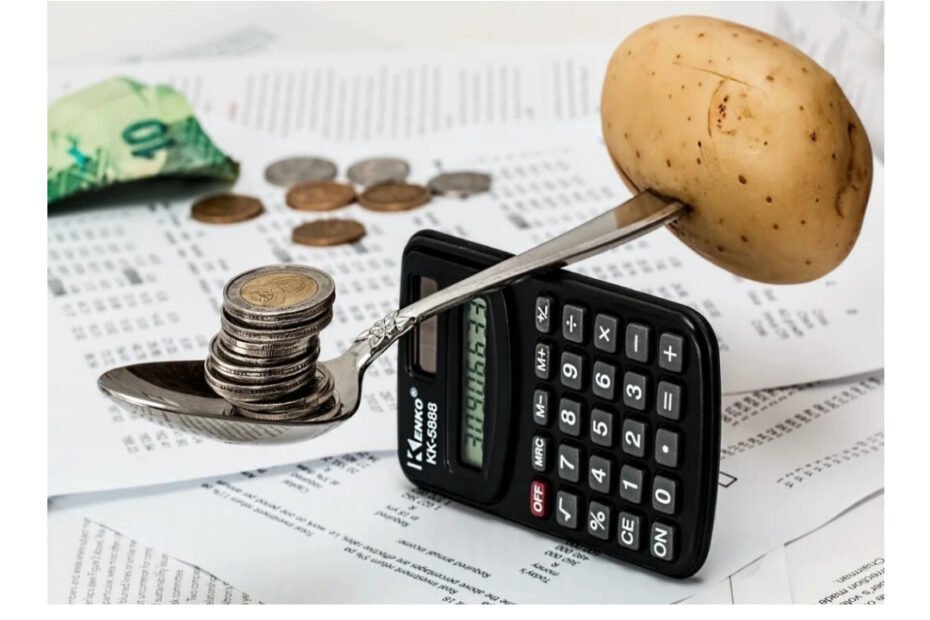
Have you noticed the increase in the prices of the products you buy every month? Inflation, this economic phenomenon, has proven to be a constant in the lives of many Brazilians. From 2025 onward, forecasts indicate that it may continue to be a daily challenge, directly impacting families’ purchasing power.
But what exactly does this mean for your wallet? How does inflation reflect on everyday purchases, the value of your salary, and even the future of your retirement? Let’s unravel these issues and understand how we can deal with this economic reality.
What is Inflation and Why Does It Affect Us?
To begin with, it is important to understand what inflation is. In simple terms, it is the widespread increase in the prices of goods and services in an economy over time. We are not talking about a one-time increase, like that of a specific item in the market; inflation affects the value of things in a broader and more gradual manner. When inflation rises, what you bought for a price yesterday may cost more tomorrow. And this is not limited to supermarket purchases, but affects transportation, healthcare, education, and even leisure.
In 2025, Brazil and the world are experiencing an unstable economic reality, with inflationary pressures caused by a series of factors: from the aftermath of the pandemic to global issues such as war, supply chain crises, and internal economic policies. The scenario, therefore, requires the population to be increasingly attentive to their personal budget and to know how to plan to mitigate the impacts of inflation.
How Does Inflation Impact Your Purchasing Power?
The most direct effect of inflation is the increase in the cost of living. Imagine that, in 2025, the price of essential items, such as food and fuel, rises at an accelerated pace. This means that your salary, which was previously sufficient to cover your monthly expenses, may no longer be. You realize this when you reach the supermarket checkout and see that the bill is higher, or when you need to reassess the budget to be able to pay the household bills.
The Loss of Salary Value: A Reality in 2025
Although your salary may remain the same, what you can buy with it decreases. This loss of purchasing power mainly affects those who receive fixed salaries or do not have earnings adjusted for inflation. If the salary increase does not keep pace with the rise in prices, the feeling is that you are falling behind, no matter how hard you try to cut expenses.
For example, a worker who earned R$ 3,000 in 2024 may realize that, in the following year, this amount is no longer sufficient to cover their monthly expenses. What was once possible with R$ 3,000 now requires R$ 3,500 or even more, depending on the rate of inflation. This happens because the prices of essential goods and services, such as food, transportation, and housing, increase more than your salary can absorb.
Inflation and Its Impact on Household Economies
Inflation mainly affects low and middle-income families, who already have a reduced financial margin. For many people, the increase in the price of foods such as rice, beans, oil, and meat is a direct reflection of the rise in inflation. Although these increases may seem small individually, when added up over time, they can compromise a significant portion of the family income.
Moreover, with inflation, interest rates also tend to rise. In 2025, if interest rates remain high, credit becomes more expensive, which can make it difficult for many families to acquire new consumer goods or even refinance existing debts. In a scenario of high interest rates, those who are already in debt find it more difficult to pay off their debts smoothly, which creates a vicious cycle of economic difficulties.
The Effect of Inflation on Investments and Retirement
Another aspect of inflation that is often overlooked is its impact on investments and retirement. Although inflation affects everyone, it is particularly concerning for those who intend to retire comfortably or who are already in retirement. This happens because inflation erodes the value of money over time. For example, the amount you saved in a savings account or in a low-risk investment can lose purchasing power, especially if the returns on these investments do not keep up with the rise in inflation.
Therefore, it is essential to think when planning your retirement. So that the money invested over the years has real value, it is necessary to choose investment options that protect the assets against inflation, such as real estate funds, stocks, or even the purchase of assets that tend to appreciate over time, like real estate and gold.
How to Protect Your Money from Inflation?
Here are some strategies to cope with the impact of inflation and protect your wallet in 2025:
- Adjust your personal budget: Reassessing your monthly expenses is an essential step. Analyze what can be cut and what is not essential. The increase in prices may force you to cut back on some luxuries to ensure the payment of essential items.
- Invest wisely: If you have money saved, invest it wisely. Options such as stocks, real estate funds, or even cryptocurrencies can help protect your assets against devaluation caused by inflation. Remember to always seek professional guidance to choose the investments most suitable for your profile.
- Diversify your sources of income: Depending on your current job, inflation can affect your purchasing power, but if you have alternative sources of income, you can soften this impact. Whether thru freelancing, online sales, or some type of passive investment, having multiple sources of income can help.
- Consider the purchase of durable goods: In times of inflation, the increase in product prices is not limited to food and services. Durable goods, such as appliances and vehicles, also tend to have their prices increased. If possible, buying these items when prices are still “low” can be a good strategy.
Take Control of Your Finances
Inflation is a natural phenomenon of the economy, but in 2025, it promises to bring significant challenges for those who do not plan ahead. The feeling that money no longer stretches can be frustrating, but the key is knowing how to react to this scenario. Adjusting your consumption habits, diversifying your income sources, and being more discerning with your investments, you can ensure that inflation does not compromise your quality of life.
O mais importante, no entanto, é não entrar em pânico. O controle da inflação não está totalmente em suas mãos, mas as decisões que você toma agora podem fazer toda a diferença no seu futuro financeiro. A adaptação é a palavra-chave para navegar pelos altos e baixos da economia, e você tem as ferramentas necessárias para isso. O futuro é incerto, mas o que você faz hoje pode proteger sua estabilidade financeira amanhã.