

In the ever-evolving world of digital marketing, one thing remains constant: the need to produce high-quality evergreen content.
It’s the cornerstone for building sustainable SEO assets that will deliver long-term success for your marketing strategy.
But what exactly is evergreen content, and how can you use it in your SEO strategy? Read on to find out.
What is evergreen content?
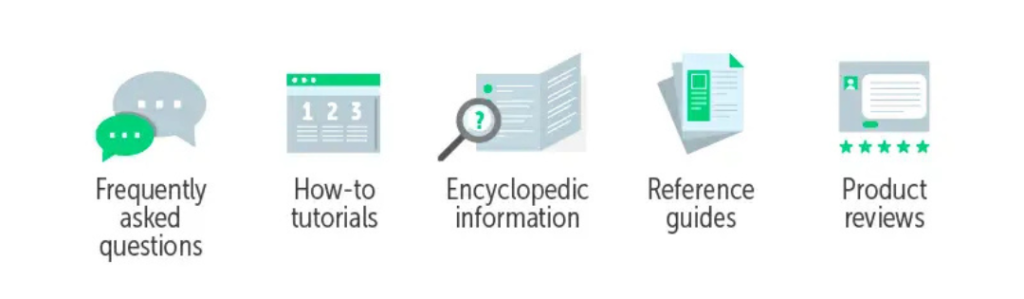
Evergreen content is an expression used to denote content that is always relevant and withstands the test of time. These are articles, blog posts, videos, podcasts, and infographics that don’t lose value or meaning over time. In other words, their value doesn’t change with the seasons or market trends.
The name “evergreen” is an analogy to trees that are always green, meaning they never lose their leaves, regardless of the season. Similarly, evergreen content is content that doesn’t lose its “green” no matter how much time passes. This is vital because specific conflicts, statistics, or trends may change, but evergreen content remains nutritious, useful, and relevant to its audience at any time.
There are different strategies for introducing evergreen content, such as identifying relevant evergreen topics and publishing sponsored content after preparing high-quality text.
Why is evergreen content important?
Evergreen content is crucial for long-term SEO success because it continues to drive traffic to your website, even years after it’s published.
This is because this type of content answers questions and solves problems that people will always have. This continued relevance ensures that search engines see it as a valuable resource, thus improving your ranking in search results.
How to integrate evergreen content into your SEO strategy?
Introducing evergreen content into your SEO strategy doesn’t have to be complicated.
Here’s a more detailed guide on how to integrate evergreen content into your SEO strategy:
Step 1: Identify relevant evergreen topics
The first step is to research and identify topics that are interesting to your audience and that will remain relevant over time.
Think about the questions your customers regularly ask or the problems they frequently encounter. These are the topics you can address in your evergreen content.
Step 2: Create high-quality content
After identifying the topics, it’s time to create high-quality content around them. Don’t skimp on this effort.
Your evergreen content should be informative, well-written, and offer real value to your readers. Remember, evergreen content is the type of content people will return to read, so it needs to be compelling.
Step 3: SEO Optimization
It’s not enough to just create excellent evergreen content. You also need to address the technical aspects of the SEO equation, which involves optimizing your content for search engines.
This includes using the right keywords in the right places (titles, subtitles, body content, meta descriptions, etc.), creating appropriate internal and external links, and ensuring your content is easily shareable on social media.
Step 4: Promote your evergreen content
Once your content is written and optimized, it’s time to start promoting it. Share it on your social media platforms, send it to your email list, and consider using paid advertising to help boost it.
Step 5: Updating and maintenance
Finally, once your evergreen content is live, don’t forget to review it regularly. Information can change over time, so it’s important to ensure your content remains accurate and relevant.
Regular updates also signal to search engines that your content is still useful, helping to maintain your ranking in search results.
Keeping Evergreen Content Updated
Keeping evergreen content up-to-date is undoubtedly an essential task. But how exactly can you do that? Here are some steps to help you keep your evergreen content fresh and relevant:
1. Regularly review the content.
Establish a schedule for reviewing evergreen content on your website. This could be monthly, quarterly, or semi-annually, depending on the amount of content you have and how quickly information can change in your industry.
2. Update outdated information.
When reviewing the content, be aware of any information that may have become outdated or inaccurate. This can range from statistics and data to advice or best practices that are no longer relevant.
3. Add New Information
In addition to updating old information, it’s also good practice to add relevant new information to your content. This could be new research, a product update, or a new best practice in your industry.
4. SEO Optimization
Each time you review and update your content, it’s also a good opportunity to re-optimize your SEO. Check if your keywords are still relevant and aligned with current user searches.
5. Re-promote Updated Content
After updating your content, don’t forget to re-promote it. Share it on your social media channels, send an email to your list, or even consider a paid advertising campaign to reach a wider audience.
By following these steps, you’ll ensure your evergreen content remains a valuable long-term SEO asset for your website.
Conclusion
An evergreen content strategy can be the key to building sustainable SEO assets and achieving long-term success.
By producing and maintaining content that is always relevant, you can continue to attract valuable traffic to your website and improve your visibility in search engines.
So what are you waiting for? Start planning your evergreen content strategy today.